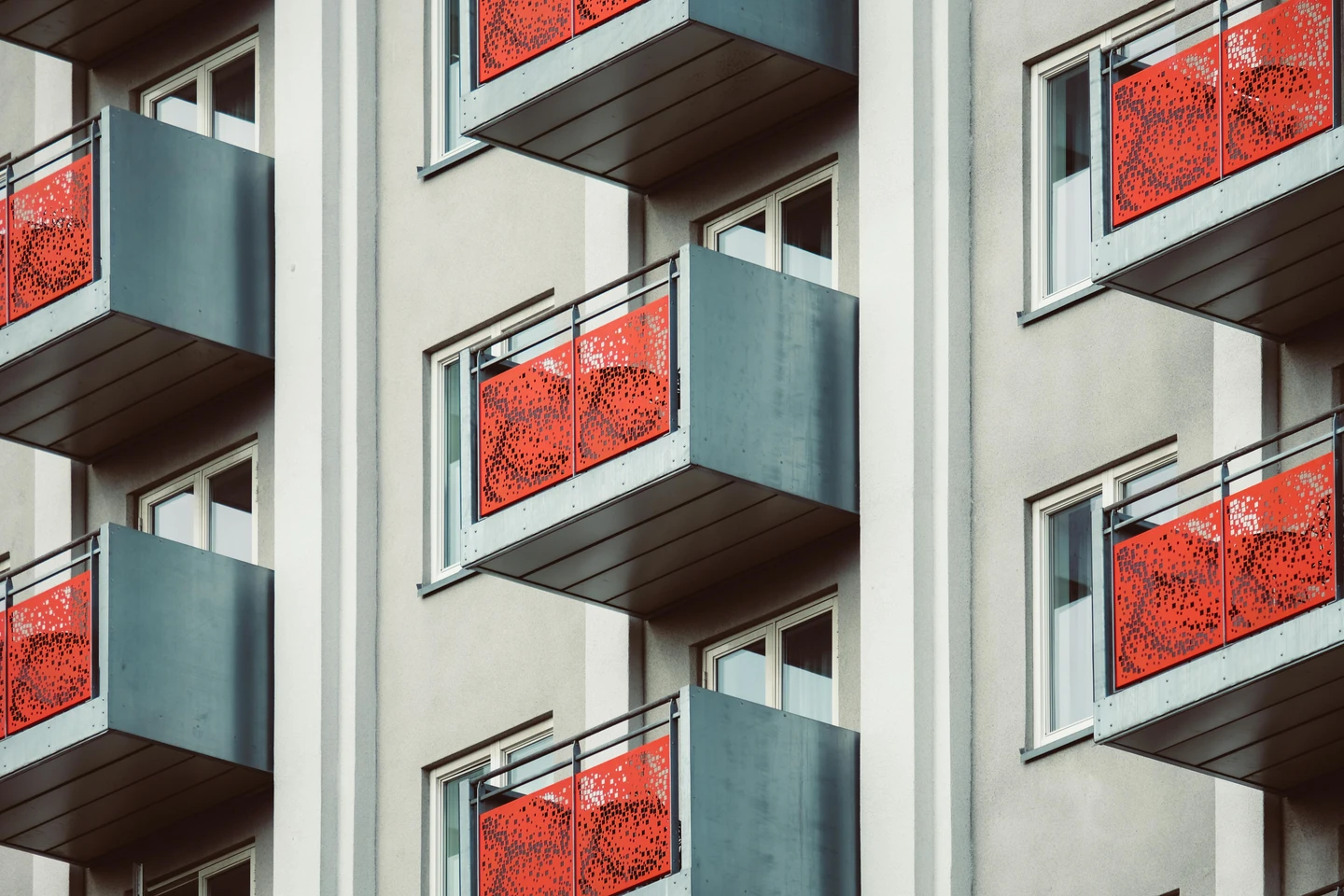
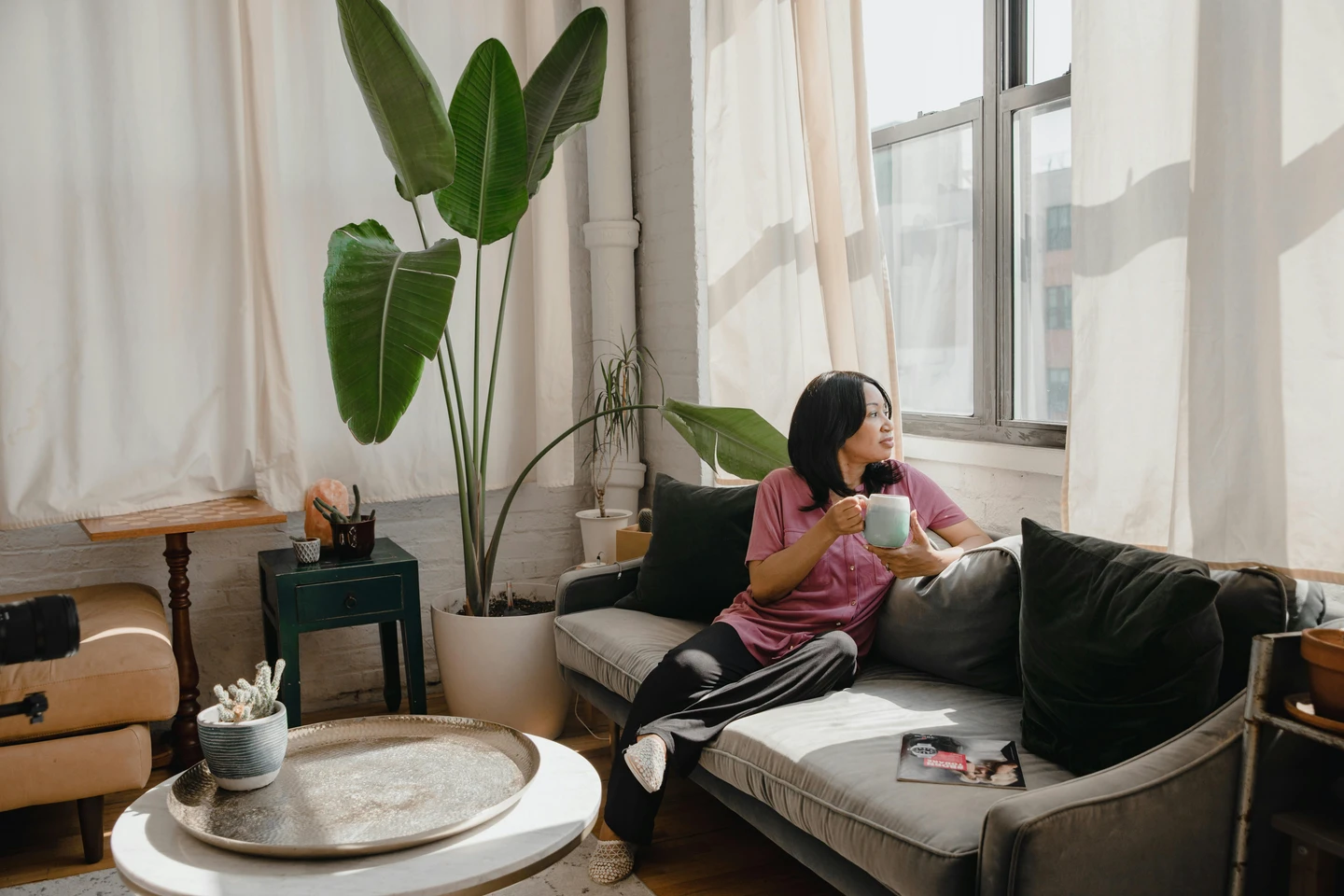
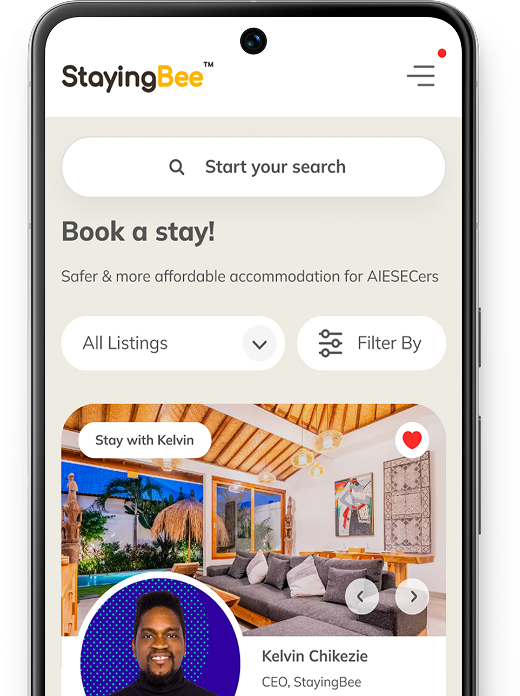
A problem hiding in plain sight. Behind the closed doors of apartment buildings across the world, short-term rental properties are quietly displacing locals and disrupting housing markets.
For travelers and property owners, short-term rentals are a win-win—unique stays and a reliable source of income. But the same can't be said for housing markets or the locals who bear the cost: rising rents, disruptive neighbours, and in many cases, being shut out of the market entirely.
So what does a more responsible Airbnb alternative look like?
Short-term rentals have genuinely changed travel for the better. For guests, they offer flexibility, freedom, and a more personal alternative to hotels which is especially useful when travelling for work, with children, or with pets. For owners, they provide a relatively straightforward source of supplemental income with a reasonable degree of control. In an ideal world, that balance would hold.
But unfortunately, we don't live in an ideal world.
Short-term rentals and the platforms that power them have become a source of growing frustration for city governments and locals alike — and it's not hard to see why. In a time of rising costs, housing shortages, and unchecked growth, the knock-on effects are becoming impossible to ignore:
- Entire homes removed from the long-term rental market
- Landlords incentivised to prioritise tourists over local tenants
- Reduced housing supply pushing rent prices higher
- Locals priced out of their own neighbourhoods
- A contribution to overtourism and its environmental consequences
The data backs this up. found that Airbnb activity increased rents by an average of 1.9% and house prices by 4.6% across the city — with rents rising by as much as 7% in the most heavily affected neighborhoods. , a 1 percentage point increase in Airbnb's share of a municipality led to a 3.7% rise in house prices, with the strongest effects concentrated in the historic centres of Lisbon and Porto. [link source]
Cities are now responding. Barcelona is implementing an on short-term rental licences by 2028, driven by widespread protests against overtourism and soaring housing costs. New York has introduced laws requiring hosts to and live in the rental property causing the vast majority of previously listed Airbnb properties to be converted to long-term rentals almost overnight. At a broader level, the European Commission is the short-term rental market, giving cities and local governments greater control over rental types and regulations.
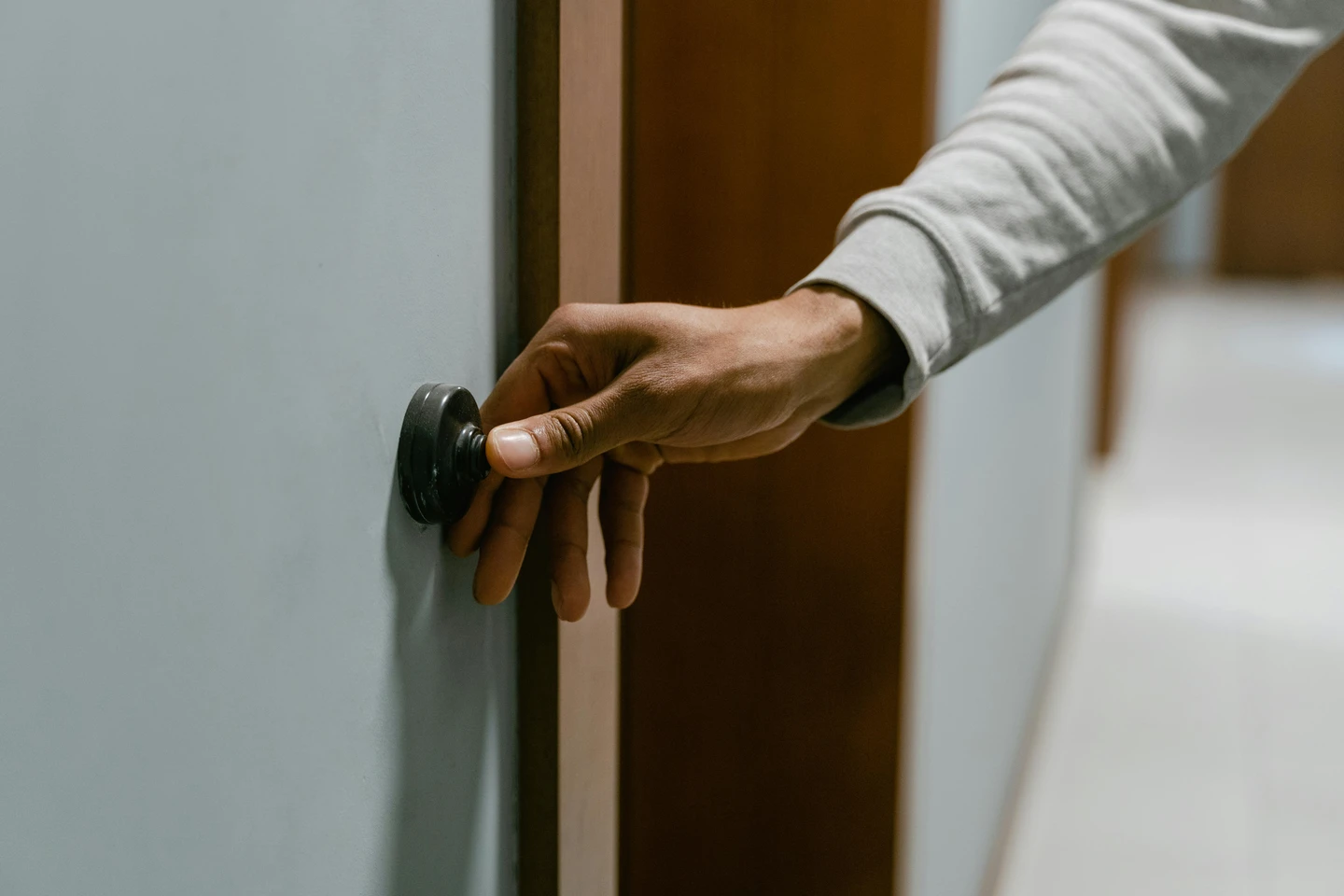
But the consequences go beyond rent prices and policy. According to a , residents living in city centre apartments in Lisbon describe entire buildings emptied out by tourist flats. Their neighbours are gone, replaced by short-term strangers. Buildings once occupied by local families have become revolving doors for short-term guests with no stake in the community and no reason to care about their impact. And no matter how many times residents complain or call the police, new people arrive every day. The social and mental cost is real.
Who do you turn to in an emergency when your neighbours change every few days ? What happens to a community when no one knows each other anymore?
Another aspect of the short-term rental problem is the arbitrage rental model, commonly used on Airbnb. It’s a strategy where people lease properties long-term, to re-rent for the short term at a higher cost. Add to that the many listings run by commercial investors who own multiple properties and treat a model meant for occasional, supplemental income into a full-time business.
In both cases, the results are the same: homes are removed from the long-term rental and housing market, prices get inflated, and locals get priced out.
It’s not a problem that Airbnb set out to cause, but it's fair to say that its incentives rewarded it.
StayingBee is a community-based alternative to Airbnb that works differently.
We don't allow commercial operators or investor-owned units. We don't incentivise high turnovers or reward hosts for converting their homes into full-time tourist inventory. Instead, StayingBee is built around a simple principle: hosts are locals who already live in their homes, sharing what they have with people they actually want to meet.
In practice, that means:
- Hosts share spare rooms, guest rooms, or couches — not entire properties stripped from the housing market
- Homes stay in the housing market, lived in by the people who own or rent them
- No commercial operators. No absentee landlords optimising for yield.
- Neighbours hosting neighbours — from communities that already share values, backgrounds, and experiences
Unlike Airbnb, we don’t compete with the housing market. We unlock unused capacity inside it.
As a community-based Airbnb alternative, it's a win-win for travelers and hosts who will still get unique, personal stays and extra income, while putting the city and its locals first. Travelers get affordable stays, locals earn supplemental income, and cities keep their housing stock intact. Communities stay communities. And by keeping homes in the long-term rental market and out of full-time tourist inventory, StayingBee helps ease pressure on local housing supply — which helps keep prices down.
In short, StayingBee doesn't take homes away from locals. It keeps locals in their homes.
As cities tighten restrictions on short-term rentals, platforms built on commercial operators, full-property conversions, and open-market listings will feel the effects most. StayingBee sits entirely outside those models.
StayingBee hosts share their primary residence, occasionally, with a closed and vetted community — an arrangement closer to hosting a friend than running a commercial operation. It's precisely the kind of model that cities introducing short-term rental restrictions are trying to protect, not penalise.
As regulations tighten across Europe and beyond, that distinction is a genuine competitive advantage for hosts, guests, and the cities they live in. We do recommend hosts familiarise themselves with local short-term rental rules in their area, as regulations vary by country.
Wondering if StayingBee is right for you? Learn more about .
Platforms need to change. Locals need to be listened to.
We can't afford to ignore housing shortages, rising prices, or the needs of local communities anymore. Accommodation should be treated as something to be shared, not extracted.
A sustainable, responsible Airbnb alternative like StayingBee is a good start.