Somewhere in your phone is a group chat with two hundred-something people you once trusted with your life, and you haven't opened it in months.
You know the one. 240 members, a name that made sense in 2019, and a profile picture from a conference that feels like it happened just yesterday.
It used to buzz constantly —someone asking who's coming to the reunion, someone else offering their couch for the weekend, and lots of inside jokes.
Now it's a graveyard of unanswered "happy birthdays” and the occasional job posting nobody clicks.
Nothing dramatic killed it. No falling out, no scandal. Just distance, time zones, and the slow, boring erosion of "we should catch up soon" turning into never.
This is the uncomfortable part: It’s not just a group chat dying. That's a community dying with one small, forgivable non-visit at a time.
The Thing Nobody Warns You About
When people talk about what made these communities: AIESEC, Erasmus, Rotary, JCI, Global Shapers, Enactus, InterNations, Scouts, Toastmasters, take your pick — actually mean something, it's rarely the mission statement.
It's the roommate who became family. The club president who let you crash on their floor mid-project and didn’t make it weird.
Proximity is what made it real. Showing up. Physically being in the same room, city, or spare bedroom as each other, again and again, until the community member slowly became family
And the thing about that kind of bond is: it doesn't survive on nostalgia alone. It needs to be fed. Not with more likes on a throwback post, but with physical contact.
Take that away, and even the tightest community starts to feel less like a family and more like an alumni newsletter you skim and delete.
Most people hear "keep the community alive through travel" and think: book a flight, visit an old friend, problem solved. Fair — but that's only half the equation, and honestly, the less-appreciated half is what changes everything.
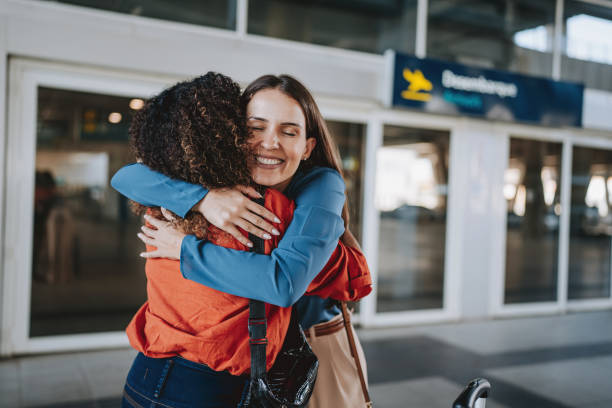
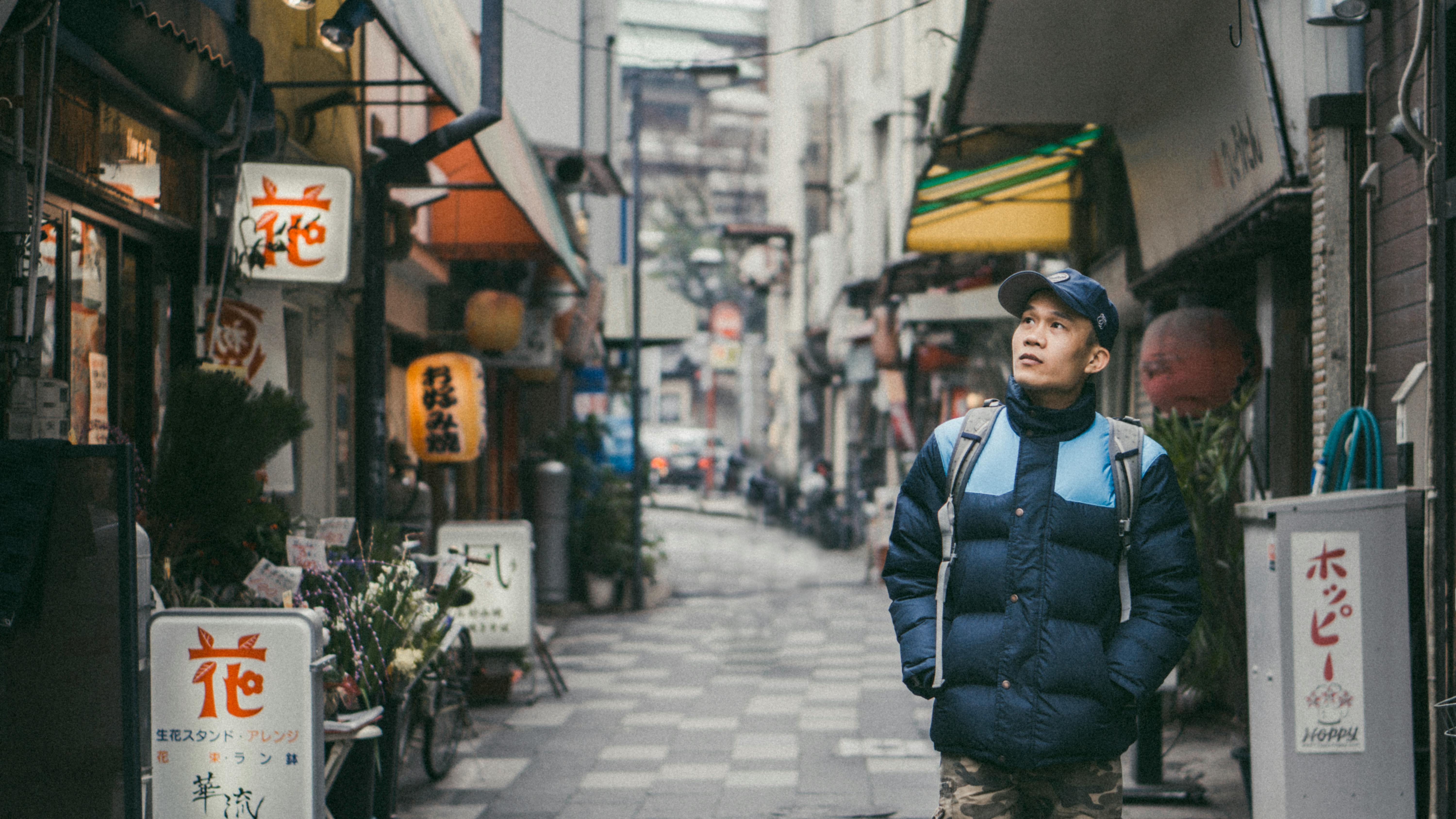
Staying with someone, showing up in their city, sleeping in their guest room, letting them drag you to their favourite spot is a love language. It says, I made the effort to be near you.
But hosting someone, opening your own door, handing over your spare key, saying "my place is your place" to someone from your network passing through — is arguably the bigger act.
It's not passive. It doesn't require a plane ticket or a free weekend on your calendar. It just requires you to say yes when your old exchange buddy messages to say they'll be in your city next week.
It turns your apartment into a small, living outpost of a community that would otherwise only exist in a chat box.
A community stays alive not because everyone travels to reunions once a year, but because its members keep saying yes to each other — as guests, and as hosts.
And If You've Never Had a Group Chat Like That?
Maybe none of those acronyms above are yours. That doesn't mean this isn't for you
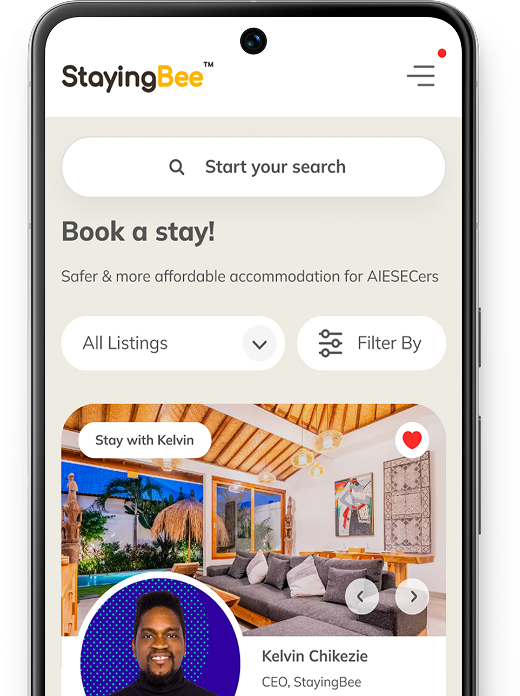
StayingBee's open Bee community exists for exactly this: people who value trust, shared values, and real connection over convenience, whether or not they came from one of our partner networks. If that sounds like you, there's a place for you too.
A community doesn't need a grand reunion to survive. It needs its members to keep choosing each other. That's the whole point.
Ready to keep your people close? and see who from your community is waiting for you to say yes.