You've definitely done this before: signed up for something free, meant to go, and then just… didn't. A free webinar you registered for and never opened. A free walking tour you told yourself you'd definitely make, and then slept through.
Free RSVPs get abandoned at a rate that would be embarrassing if anyone ever announced the real number out loud.
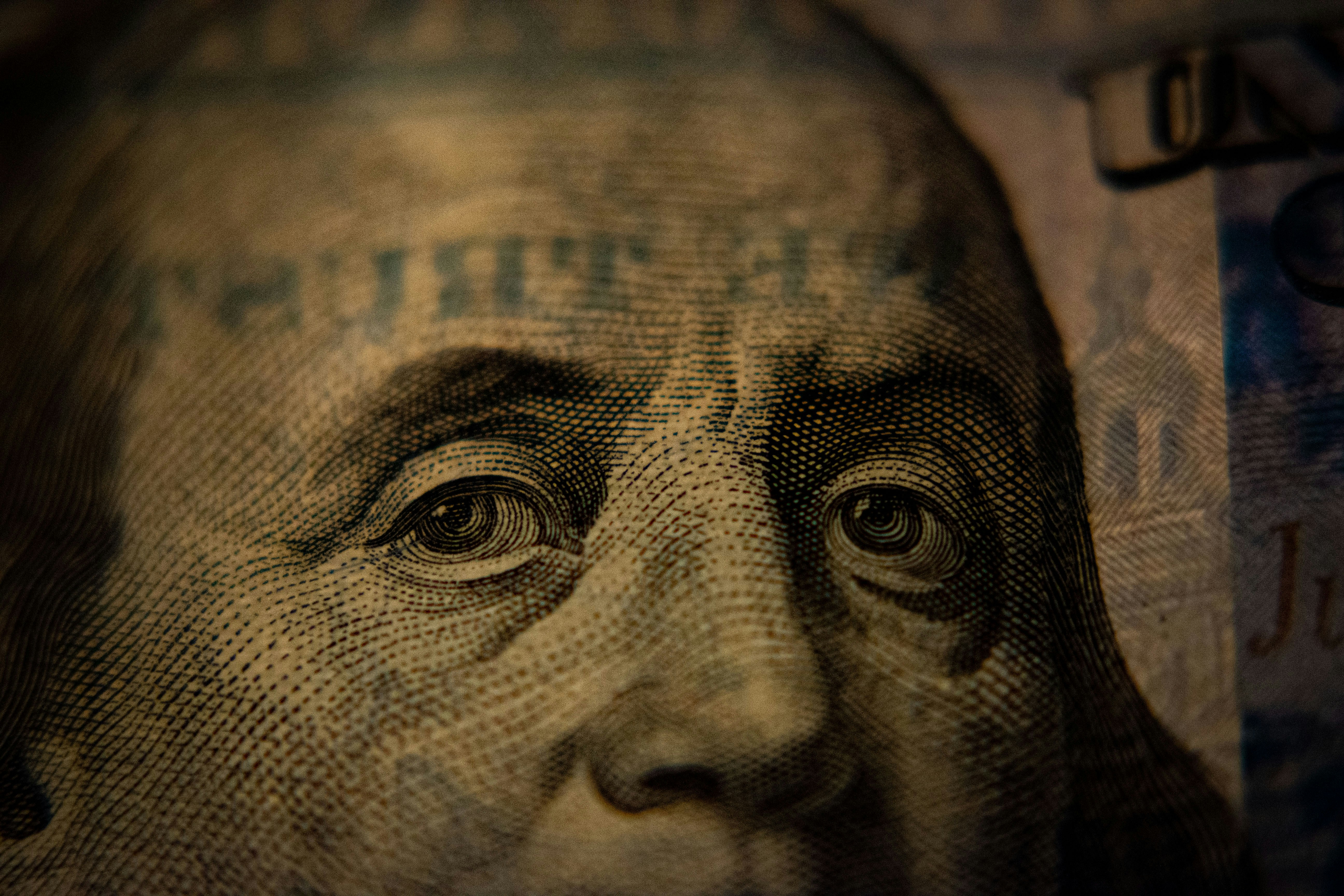
Now add five dollars to that same webinar, that same tour. Suddenly you show up, but it’s not because five dollars is a lot of money, it usually isn't,
It’s because you've made a small commitment, and something in you doesn't want to waste it.
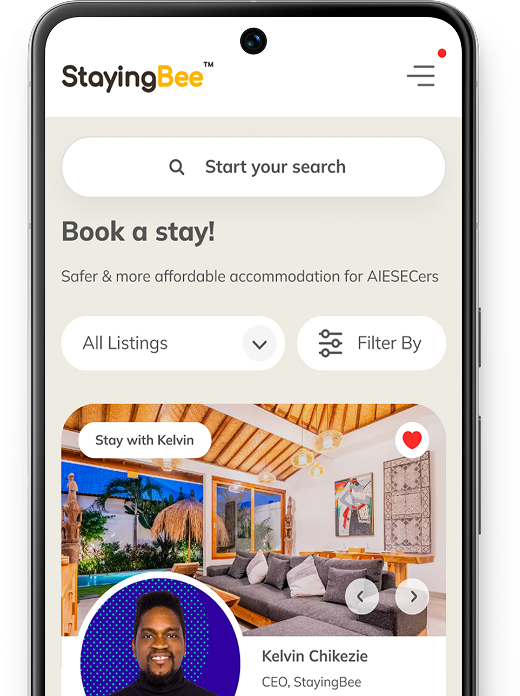
That's the entire logic behind why StayingBee still asks guests to pay something, however small. It’s because we need the commitment
There's a version of hospitality where nothing changes hands at all: no money, sometimes barely even an introduction. Couchsurfing built an entire movement on exactly that idea, strangers hosting strangers, purely on goodwill, no transaction anywhere in sight.
It's a beautiful idea. It also, for a lot of hosts, turned out to be a fragile one. Ask anyone who's hosted for free for long enough and you'll hear the same stories: guests didn’t confirm and never showed, guests treated a spare room like a hostel bunk instead of someone's actual home, guests disappeared the moment something better came along.
This happens because when nothing was risked to get here, nothing much is owed once you arrive.
Free doesn't ask anything of the person receiving it. And it turns out that asking something, even something small, is what makes people show up differently.
This is the part that surprises people: the amount barely matters. A sofa bed on StayingBee might go for about fifty euros a night. A private room, maybe seventy.
Some of our hosts, if you ask them, might happily take zero, and some do.
But almost none of them take nothing at all, and that's on purpose. Fifty euros isn't a price tag on someone's hospitality. It's a small, deliberate signal: I'm serious about this, and I expect you to be too.
A guest who's paid something, even a little, tends to actually show up on the date they said they would. Communicates when plans change instead of vanishing. Treats the apartment like a place they're a guest in, not a room they're entitled to. It's not that the money bought them manners. It's that the money is what made the whole thing real before they arrived.
To be clear: StayingBee is, and should be, one of the most affordable ways to travel.
Hosts can, and sometimes do, set their price to zero, and even the ones who don't tend to charge a fraction of what a hotel or Airbnb would.
What this is actually about is the difference between a favour and an agreement.
A favour can be forgotten, cancelled, deprioritized the moment something better comes up, and no one's really wronged, because nothing was promised.
An agreement, even a tiny one, comes with a shape: a date, an amount, two people who've both put something on the table. That shape is what makes it possible for a total stranger to trust you enough to hand over a key.
A few euros helps keep a host willing to open their door again next month. That part is real, and we're not going to pretend otherwise.
But the same money is also doing something a bigger number couldn't do any better: it turns a favour into a commitment, and that's the thing strangers have always needed from each other before they could trust one another enough to share a home.
That's not just a transaction, even though it is one. It's also the oldest kind of trust there is, priced low enough that everyone can afford to keep making it.
Ready to make it official?
, or